Every business wants more customers for less money. Promotional products are one of the few marketing tools that keep working long after you pay for them. In this guide, we explain how branded merch fits into your marketing plan and why the numbers make sense.
Branding and Advertising Work Together
Marketing comes down to two jobs. First, branding helps people remember and recognize you. Second, advertising puts your offer in front of new prospects. When branding works, your ads work better too, because people click on names they already know.
For example, imagine a customer searches online and sees your ad next to a competitor’s ad. If they have seen your logo on a friend’s shirt or a coffee mug, they are more likely to trust you. As a result, you win more clicks and more sales from the same ad budget.
Start With Free Business Profiles
Before you spend on ads, set up free profiles where customers search. For instance, create profiles on Google Business, Bing Places, Yelp, Facebook, Instagram, and LinkedIn. These free listings bring in organic traffic, so they lower your overall marketing cost. Google explains the setup on its Google Business Profile page.
Cost Per Click vs. Cost Per Impression
Paid ads usually charge per click. That is great for capturing people who are ready to buy. However, clicks get expensive when nobody recognizes your brand. Therefore, smart businesses also invest in low-cost impressions, which build recognition over time.
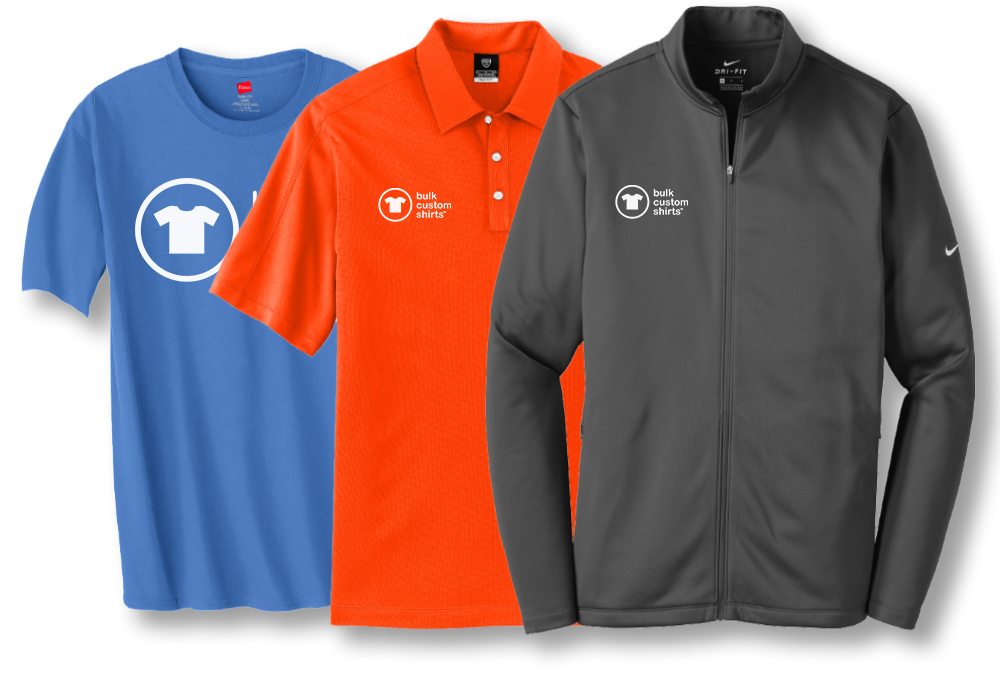
Promotional products shine here. A branded item keeps showing your logo every time someone uses or wears it. In other words, you pay once and collect impressions for months or even years.
The Math Behind Promotional Products
One study by the Advertising Specialty Institute (ASI) found that a giveaway t-shirt is worn about 4 times per month and earns hundreds of impressions each month. Let’s run a simple example. Say a shirt costs your business $7, and someone wears it for one year. If it earns about 365 impressions per month, that is roughly 4,380 impressions per year. As a result, your cost is less than one cent per impression.
Few ad channels come close to that. In addition, the person wearing the shirt becomes a fan of your brand, and fans refer friends.
Social Media Multiplies the Reach
People post photos in their favorite shirts and hats. So, when you give great merch to the right audience, your logo shows up in their photos too. That reach is free, and it comes with a built-in endorsement from someone their followers trust.
How to Choose Promotional Products That Work
- Pick useful items. People keep things they use, such as t-shirts, hats, tote bags, and drinkware.
- Choose quality. A soft shirt gets worn often, while a scratchy one ends up in a drawer.
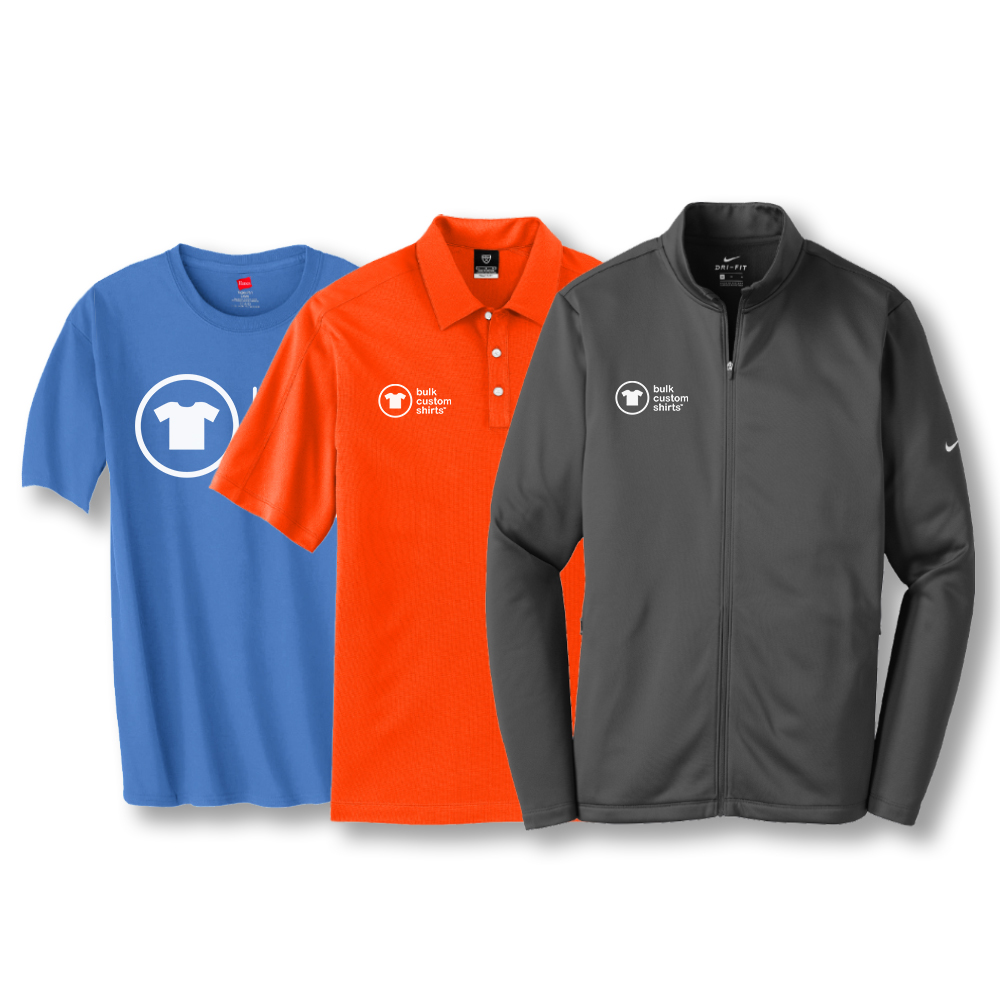
- Match your audience. For example, a gym might choose performance tees, while a law firm might choose polos.
- Track results. Use a unique URL or code on your merch, so you can measure what works.
Test More Than One Channel
Split your budget across at least three channels, both digital and physical. Then, track where each new lead first saw your brand. Over time, you will see which channels bring the best customers. Promotional products are usually a strong part of that mix, because they cost little per impression and build lasting trust.
Want ideas for your next giveaway? Browse our promotional products catalog, see our custom company shirts, or read about custom embroidered hats.
Ready to Order?
Browse our custom apparel catalog for instant pricing, or request a free quote. Every order includes a free proof and free shipping in the lower 48 states.